
Osteoporosis increases fracture risk but may cause no symptoms for a long time. If back pain develops, it is important to establish its cause. After a fracture or before spinal fixation, a coordinated plan for spinal care and bone treatment is needed.
What is osteoporosis?
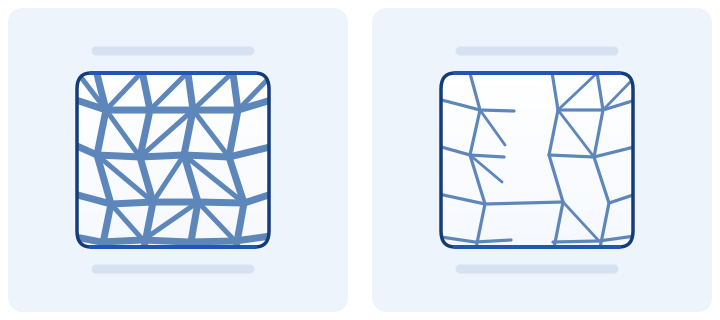
Osteoporosis is a condition in which bone strength decreases and fracture risk rises. Bone mineral density and internal structure change. A fracture can therefore occur after a fall from standing height or even minor everyday loading.
The condition affects both women and men. It is more often identified in older age and after menopause, but other diseases, medicines and previous fractures are also important.[1]
Symptoms: why osteoporosis may go unnoticed
Reduced bone strength itself is usually painless. A fracture may be the first sign. Some vertebral fractures cause severe pain; others are found incidentally on imaging.
- New back pain after a fall, lifting objects or other minor loading.
- Loss of height compared with previous measurements.
- A noticeable change in posture or increasing stooping.
- A fracture after minor trauma — even if the pain has already eased.
These changes warrant assessment. Back pain may also have another cause: at the consultation, we compare symptoms, examination and imaging findings.[1]
Who should have bone strength assessed?
Previous low-trauma fractures, menopause, older age, parental hip fracture, low body weight and prolonged systemic glucocorticoid use require particular attention. Some diseases can also weaken bone.
A previous fracture affects the risk of another, even if the bone density result does not appear very low. Investigations are selected according to the combination of circumstances.[2]
Age, heredity, diseases and medical risk factors · Nutrition, movement and falls prevention
Diagnosis: DXA, risk assessment and spinal imaging
DXA bone densitometry measures bone mineral density. The complete report is assessed alongside age, fracture history and medical conditions. Results are interpreted according to age group; degenerative spinal changes can affect the measurements.
FRAX helps estimate the ten-year probability of fractures in the appropriate age group. It complements clinical assessment. Blood tests are arranged to look for possible causes of reduced density and to guide treatment selection.[2]
Radiographs or vertebral assessment during DXA may be needed to check for a vertebral fracture. MRI and CT are arranged when clarification of the injury, neural structures or another cause of pain is needed. The investigation plan depends on the clinical situation.[5]
Three treatment objectives
Bone treatment may include medicines that slow bone breakdown or stimulate new bone formation. The choice depends on fracture risk, other medical conditions and previous therapy. Calcium and vitamin D are used according to need.[5]
Detailed information about medicines, nutrition and monitoring: prevention and treatment of osteoporosis.
Vertebral fracture: when we consider vertebroplasty
If a fracture causes pain, we assess its shape, stability, healing and whether the painful area corresponds to imaging findings. The plan may include pain relief, agreed activity, support when indicated or an intervention.
Vertebroplasty or balloon kyphoplasty is considered for selected patients with severe persistent pain from a recent unhealed osteoporotic fracture despite appropriate pain relief. The pain must correspond to the fracture level on examination and imaging.[3]
Such an intervention helps strengthen the particular damaged vertebra. Osteoporosis treatment and prevention of subsequent fractures are planned separately. Instability or compression of neural structures may require a different operation.
Spinal compression fractures: choosing treatment · Vertebroplasty, balloon kyphoplasty and SpineJack
New leg weakness, loss of sensation in the perineal area or impaired bladder control require urgent medical assessment. Do not wait for a reply in a messaging app.
Bone strength before inserting screws and a cage
Bone provides support for instrumentation and contributes to fusion. If spinal fixation is planned and osteoporosis is suspected, it is important to assess bone health before the procedure.
We consider existing DXA results, fracture history, CT findings and blood tests when indicated. This helps plan preparation, instrumentation and subsequent monitoring. Bone assessment matters in minimally invasive surgery too.[4]
Pedicle screw fixation and interbody cage placement · Endoscopic lumbar fusion
What to send for a consultation
- The complete DXA report with its date, if the examination has already been performed.
- Existing spinal imaging: radiographs, MRI or CT. For digital MRI/CT studies, complete DICOM series and the report are needed.
- Discharge summaries for fractures and operations: when and under what circumstances they occurred, and how treatment progressed.
- A list of medicines and supplements: names, doses and duration of use; for injections, the date of the last administration.
- Existing blood tests and a brief description of symptoms: pain, changes in height, walking and everyday activity.
Start with the records you already have. After reviewing them, we will determine what needs clarification for spinal treatment or surgical preparation.
Questions about osteoporosis and the spine
Are osteoporosis and osteochondrosis the same thing?
No. Osteoporosis concerns reduced bone strength. The term 'osteochondrosis' is often used for degenerative changes in discs and the spine. The conditions can coexist; examination and investigations establish the cause of pain.[6]
What does 'osteopenia' mean in a DXA report?
It describes reduced bone mineral density in the relevant patient group. Age, previous fractures and other factors also determine fracture risk. The treatment plan depends on the complete assessment.
If pain after a fracture has resolved, do I still need a consultation?
Yes, it is worth discussing bone strength and prevention of further fractures. Pain relief alone does not show that the risk of another fracture has been eliminated.
Does every osteoporotic fracture need surgery?
Treatment depends on pain, stability, healing and the condition of neural structures. Some fractures are managed without surgery; indications for intervention are determined from examination and imaging.
Discuss spinal treatment with the professor
Do you need to understand a vertebral fracture or prepare for surgery with osteoporosis? Send Professor Iakiv Fishchenko your existing investigations and a brief treatment history. Preliminary review is free. The professor consults in Kyiv.
Send your scans to Professor Fishchenko
Osteoporosis treatment · About the professor · Contact and appointments
Medical sources
- NIAMS: osteoporosis, bone changes and signs of fractures.
- NOGG: fracture risk assessment, DXA and clinical factors.
- NICE TA279: indications for vertebroplasty and balloon kyphoplasty in osteoporotic fractures.
- CNS: preoperative osteoporosis assessment for spinal instrumentation.
- NIAMS: diagnosis, medication and everyday activity.
- AAOS: degenerative changes and other causes of lower-back pain.